Does Iran Have Oil Production? A Clear Breakdown of Its Energy Sector
Iran sits on one of the world’s largest oil reserves, yet its production levels have shifted over decades due to sanctions, geopolitical tensions, and internal policies. While the country’s oil industry remains a cornerstone of its economy, the answer to whether Iran still produces oil isn’t just a yes or no—it’s a story of resilience, challenges, and strategic adaptations. For everyday Iranians, this isn’t just trivia; it shapes gas prices at the pump, job opportunities, and even daily conversations about the future of the country’s economy.
From Giant Reserves to Global Player: Iran’s Oil Legacy
Iran’s oil story began over a century ago, when the first commercial well was drilled in Masjed Soleyman in 1908. Today, the country holds the world’s fourth-largest proven crude oil reserves, trailing only Venezuela, Saudi Arabia, and Canada. Despite this abundance, Iran’s production hasn’t always matched its potential. Sanctions imposed by the U.S. and other nations have repeatedly disrupted exports, forcing the country to find creative ways to keep its oil flowing—whether through barter deals, smuggling networks, or partnerships with allies like China and Syria.
For Iranians, this history isn’t just academic. Many remember the 1979 revolution and the eight-year Iran-Iraq War, when oil infrastructure was heavily damaged. Even today, aging refineries and limited foreign investment mean that while Iran can produce oil, refining it efficiently remains a hurdle. The result? A paradox where a nation rich in oil sometimes struggles to keep its own gas stations stocked.
How Much Oil Does Iran Actually Produce Today?
As of recent estimates, Iran produces around 3 to 3.5 million barrels of oil per day—a figure that fluctuates based on sanctions, global demand, and internal decisions. To put this in perspective, Saudi Arabia produces nearly 10 million barrels daily, while the U.S. churns out over 12 million. Iran’s output is significant but far from its peak of 6 million barrels in the 1970s.
What does this mean for the average Iranian? For one, it explains why gas prices can spike suddenly. When exports are blocked, the oil that *is* produced often stays within Iran’s borders, leading to higher domestic consumption and less revenue for the government. It’s a balancing act: sell less oil at lower prices, or risk running out entirely.
The Hidden Costs: Sanctions and Smuggling
Sanctions have been the biggest obstacle to Iran’s oil industry in recent years. When the U.S. reimposed restrictions in 2018, Iran’s exports plummeted from 2.5 million barrels per day to under 500,000. The government responded by ramping up domestic refining, but this came at a cost—higher pollution, outdated technology, and a black market for fuel that thrives in border towns like Abadan and Khorramshahr.
Smuggling is another side effect. With Iran’s oil cheaper domestically due to subsidies, some of it leaks across borders into Iraq, Afghanistan, and Pakistan, where it’s sold at a premium. Authorities crack down periodically, but the practice persists, creating a shadow economy that benefits a few while straining resources for the many.
What’s Next? Can Iran Bounce Back?
The future of Iran’s oil production hinges on several factors. A potential revival of the 2015 nuclear deal could lift some sanctions, allowing Iran to export more oil and attract foreign investment. Meanwhile, the country is investing in petrochemicals—a less volatile industry than crude oil—as a way to diversify its revenue. Projects like the South Pars gas field expansion and new refineries in Jask and Bandar Abbas aim to reduce reliance on traditional oil exports.
For Iranians, the stakes are high. Oil revenues fund everything from subsidies on basic goods to public sector salaries. If production stagnates or sanctions tighten further, the impact trickles down to everyday life—longer lines at gas stations, higher prices for imported goods, and fewer jobs in oil-dependent regions like Khuzestan.
One thing is certain: Iran’s oil industry won’t disappear overnight. But whether it can reclaim its former glory depends on forces far beyond its borders—and the choices its leaders make in the years ahead.
Gootraxian Pvp Tier List (MY OPINION)) | Fandom
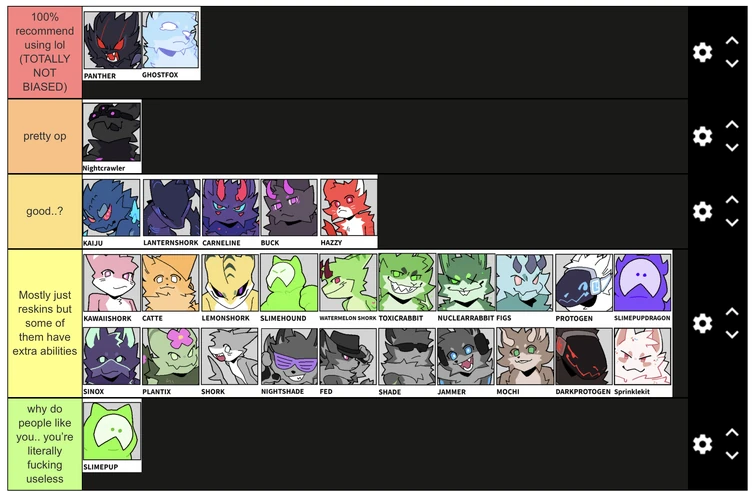
gootraxian pvp tier list (MY OPINION)) | Fandom