Navigating ESL Teacher Jobs in Abu Dhabi: A Practical Guide
ESL teacher jobs in Abu Dhabi continue to attract candidates from around the globe, thanks to a growing network of international schools, government‑backed language initiatives, and competitive expatriate packages. While the market remains steady, success hinges on understanding local hiring cycles, contract expectations, and the classroom tools that resonate with Emirati learners.
Why Abu Dhabi Remains a Top Destination for ESL Professionals
The emirate’s education ministry has set ambitious targets for bilingual proficiency, prompting schools to expand English‑language programmes from kindergarten through secondary levels. This policy drive creates a reliable pipeline of vacancies, especially in private and international schools that follow the British, American, or International Baccalaureate curricula. Additionally, Abu Dhabi’s quality‑of‑life perks—tax‑free salaries, modern infrastructure, and a multicultural community—make it a compelling choice for teachers seeking both career growth and a comfortable lifestyle.
Where to Find the Most Relevant Vacancies
Job portals such as Bayt, GulfTalent, and the Ministry of Education’s career hub list openings weekly. Many schools also post directly on their websites; checking the “Careers” sections of institutions like Abu Dhabi International School, Cranleigh Abu Dhabi, and The British International School can yield hidden opportunities. Networking events hosted by the Abu Dhabi Education Council (ADEC) and teacher‑focused Facebook groups often surface short‑notice contracts that aren’t advertised elsewhere.
Understanding Contracts, Benefits, and Visa Requirements
Standard contracts run for 12 months, renewable based on performance and school needs. Typical remuneration packages include a base salary, housing allowance (or provided accommodation), health insurance, and an annual flight home. Schools usually sponsor the work permit, which is tied to the contract length; the sponsor also handles the Emirates ID process. It’s advisable to request a written breakdown of allowances before signing, as some schools bundle benefits into a single “total compensation” figure.
Classroom Resources That Make a Difference
Beyond the contractual side, everyday teaching success in Abu Dhabi often rests on engaging, culturally‑responsive materials. Phonics games, for example, are a favourite among kindergarten teachers looking to bridge Arabic and English literacy. Incorporating interactive boards and printable card sets can turn a routine lesson into a lively language lab.

These visual, hands‑on tools align with the UAE’s emphasis on active learning and help students internalise sound‑letter relationships without relying solely on rote memorisation. When selecting resources, consider those that feature diverse characters and simple English captions, ensuring relevance for both expatriate and Emirati children.
Tips for a Successful Application Process
- Tailor your CV. Highlight any experience teaching mixed‑age classes, using technology, or adapting curricula for Arabic‑speaking learners.
- Secure your TEFL or CELTA certification. While not always mandatory, most schools list it as a preferred qualification.
- Prepare a short teaching demo. Schools frequently request a 10‑minute lesson plan; choose a topic that showcases your ability to blend visual aids with interactive activities.
- Research cultural expectations. Demonstrating awareness of local customs—such as gender‑segregated classrooms in some schools—signals readiness to integrate smoothly.
What the Future Holds for ESL Teachers in Abu Dhabi
With the UAE’s Vision 2021 still guiding educational reform, demand for qualified English instructors is unlikely to wane. Schools are increasingly seeking teachers who can blend traditional phonics methods with digital platforms, creating a hybrid model that prepares students for global citizenship. For teachers willing to adapt and invest in local professional development, the emirate offers a stable, rewarding career path that extends beyond the classroom.
In short, landing an ESL teacher job in Abu Dhabi requires more than a solid résumé; it calls for strategic job‑search tactics, a clear grasp of contract norms, and a willingness to employ engaging resources like phonics games. Armed with these insights, prospective educators can make an informed decision and step confidently into Abu Dhabi’s vibrant teaching landscape.
Coloring Pages Kids: Free Printable Phonics Games For Kindergarten

phonics cvc words kindergarten practice literacy cvce
Free Online Phonics Games Kids Children EYFS KS1

phonics game
Teach Child How To Read: Games For Phonics Kindergarten
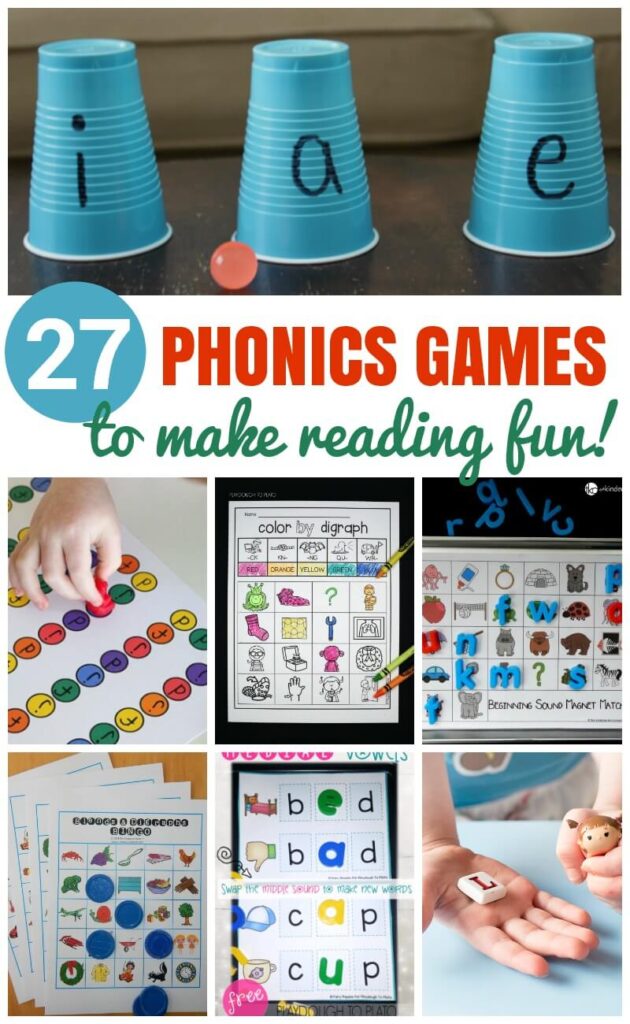
phonics games kindergarten fun learning teach read how child plato playdough make that
CVC Words | Letter O | Phonics Flashcard Game | The Phonics Train - YouTube

phonics words cvc