Europe’s Natural Gas Dependence on Russia: What’s Changing and Why It Matters
Europe’s relationship with Russian natural gas has shifted from steady supply to a patchwork of challenges, leaving households and businesses to adapt to higher costs and tighter budgets. While pipelines like Nord Stream once delivered predictable volumes, recent years have seen disruptions, price spikes, and a push for alternatives that don’t always match the old system’s reliability. For everyday users, this means rethinking how they heat homes, cook meals, and run appliances—especially during the colder months when gas demand peaks.
Why Russian Gas Still Matters in Europe’s Energy Mix
Even as Europe accelerates renewable energy projects, Russian gas remains a key piece of the puzzle for many countries. Countries like Germany, Italy, and Austria still rely on imports from Russia, though volumes have dropped significantly since 2022. The infrastructure built over decades—pipelines, storage facilities, and industrial plants—wasn’t designed for sudden cutoffs, forcing quick pivots to other suppliers or conservation measures.
For example, Germany’s gas storage levels, once heavily dependent on Russian flows, now depend on liquefied natural gas (LNG) shipments from the U.S. and Norway. The shift isn’t seamless: LNG requires specialized terminals, and prices can swing wildly based on global demand. Meanwhile, countries closer to Russia, like Hungary and Slovakia, have negotiated long-term contracts to keep supplies flowing, even as political tensions complicate trade.
The Hidden Costs of Gas Uncertainty
For families, the biggest impact isn’t just the sticker price at the pump—it’s the ripple effect on monthly budgets. A household heating with gas might spend 20–30% more in winter than it did five years ago, with little relief in sight. Small businesses, from bakeries to metal workshops, face similar pressures, often passing costs to customers or cutting staff hours to stay afloat.
Governments have tried to soften the blow with subsidies, but these programs vary widely. In France, some low-income households receive energy vouchers, while in Poland, tax breaks help offset higher bills. The problem? These solutions are temporary fixes, not long-term answers. Without stable gas prices or cheaper alternatives, the squeeze on wallets will likely continue.
What’s Next? Three Paths Europe Is Exploring
Europe isn’t waiting for the next crisis to strike. Here’s how the continent is trying to reduce its reliance on Russian gas without freezing in the dark:
- Speeding up renewables: Wind and solar projects are being fast-tracked, but they need backup storage—like batteries or hydrogen—to cover cloudy, windless days. Germany’s goal to install 100 gigawatts of solar by 2030 is ambitious, but delays in permitting and grid upgrades could slow progress.
- Diversifying suppliers: Europe is turning to LNG from Qatar, the U.S., and even Africa, but shipping routes and infrastructure costs add complexity. A single LNG terminal can cost billions to build, and not every country has the coastline to support one.
- Demand-side fixes: Simple changes—like better insulation, smart thermostats, or industrial efficiency upgrades—can cut gas use by 10–20% without sacrificing comfort. Programs like France’s “MaPrimeRénov’” offer grants for home insulation, but uptake is slow in rural areas where older housing stock dominates.
How to Prepare for the Next Heating Season
If you’re worried about another winter of sticker shock, start planning now. Small steps can add up:
- Audit your usage: Check your boiler’s efficiency—older models waste up to 30% of gas. A professional tune-up might cost €100–€200 but can save €200+ per year.
- Explore alternatives: Electric heat pumps are becoming more affordable, especially with government incentives. A mid-range model might run €10,000–€15,000 upfront but can cut heating bills by half in the long run.
- Monitor price alerts: Sign up for notifications from your energy provider or apps like PriceSpy to catch cheaper tariffs. Some suppliers offer fixed-rate plans that lock in prices for 12–24 months.
For those still dependent on gas, the message is clear: flexibility is key. Whether it’s adjusting thermostats by a degree or investing in a backup heater, small changes today can prevent bigger headaches tomorrow.
No single solution will replace Russian gas overnight, but Europe’s energy future is being written now—one solar panel, one insulated wall, and one smart meter at a time. The goal isn’t just to survive the next winter, but to build a system that’s resilient, affordable, and independent for decades to come.
Heavy Duty LED Rubber Torches - Sound Dynamics
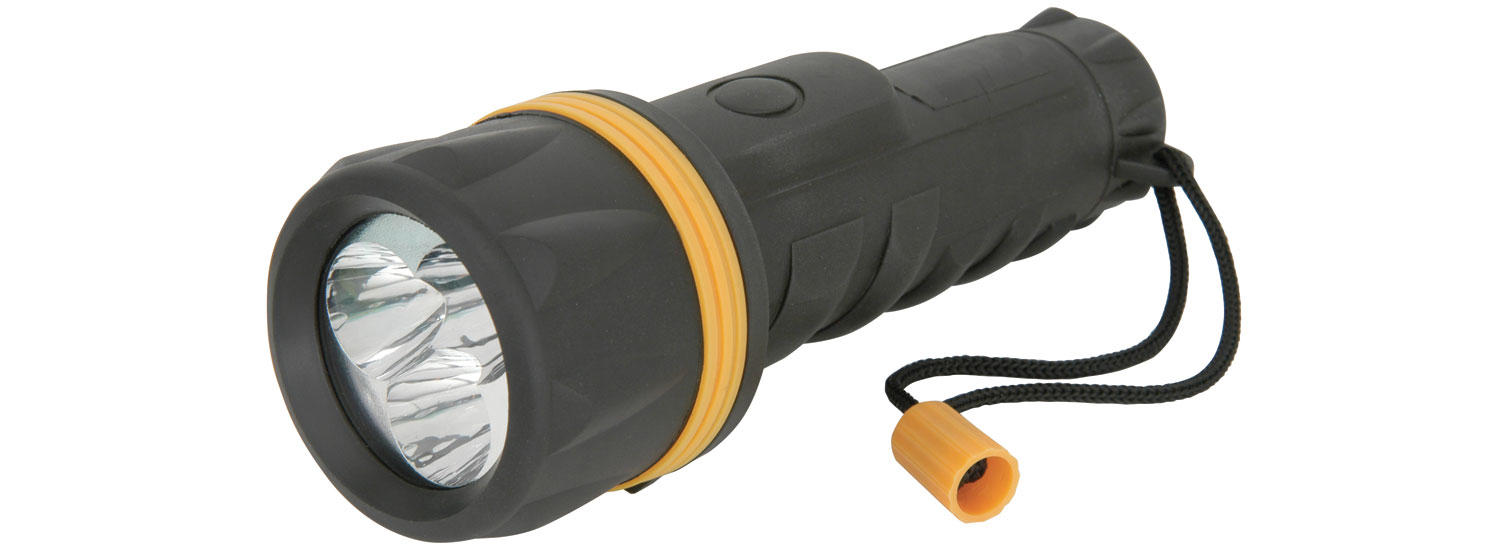
Heavy Duty LED Rubber Torches - Sound Dynamics
Heavy Duty LED Rubber Torches In 2 Sizes - Torches - Torches - Garden

Heavy Duty LED Rubber Torches in 2 Sizes - Torches - Torches - Garden
Heavy Duty LED Rubber Torch 2x AA Wrist Strap Shockproof Simple One

Heavy Duty LED Rubber Torch 2x AA Wrist Strap Shockproof Simple One ...
Heavy Duty LED Rubber Torch – Food Safety Direct

Heavy Duty LED Rubber Torch – Food Safety Direct