Europe’s Energy Crossroads: Reducing Reliance on Russian Oil and Gas
Europe’s energy security has long depended on Russian oil and gas, a relationship that became a focal point after Russia’s invasion of Ukraine in 2022. While imports have declined since then, the continent still imports billions of dollars’ worth of fossil fuels annually, leaving economies vulnerable to supply disruptions and price shocks. The shift away from Russian energy is not just a political statement—it’s a practical necessity for stability, affordability, and long-term resilience.
Why Europe Still Relies on Russian Energy
Even after sanctions and supply cuts, Europe imported over 100 billion cubic meters of Russian gas in 2023, primarily through pipelines like Nord Stream and TurkStream. This dependence stems from decades of infrastructure built around Russian supplies, from pipelines to storage facilities. Countries like Germany and Italy, with limited domestic gas production, faced immediate shortages when Russian flows dropped, forcing emergency measures such as coal plant restarts and LNG imports from the U.S. and Qatar.
Oil imports tell a similar story. The EU still buys around 10% of its crude oil from Russia, often at a discount, despite bans on seaborne imports. The reliance persists because alternatives—like expanding renewable energy or building new LNG terminals—take years to implement. In the short term, Europe has no choice but to balance supply gaps with existing contracts and emergency stockpiles.
Where the Gaps Are Most Felt
The impact varies by country. Eastern Europe, heavily dependent on Russian pipelines, scrambled to find new routes. Poland and the Baltics pivoted quickly to U.S. LNG and Norwegian gas, while countries like Hungary and Slovakia negotiated exemptions from EU sanctions. Meanwhile, industries reliant on stable energy—chemicals, steel, and fertilizers—faced soaring costs when gas prices spiked in 2022, forcing some plants to scale back production or relocate.
Households also felt the pinch. In Germany, energy bills for the average household rose by over 50% in 2022, with some regions seeing even sharper increases. Governments responded with subsidies and price caps, but the burden on consumers and businesses remains a persistent challenge. The lesson is clear: energy transitions aren’t just about politics—they’re about keeping lights on and factories running.

Building a Future Beyond Russian Energy
The path forward involves three key steps: diversification, efficiency, and acceleration of renewables. Diversification means securing long-term contracts with reliable suppliers—Norway, the U.S., and North Africa are critical players. Efficiency cuts demand: Germany’s gas consumption dropped by 20% in 2023 through industrial conservation and behavioral changes. Meanwhile, renewables are scaling up faster than ever, with solar and wind now supplying over 30% of the EU’s electricity in some months.
Yet challenges remain. New LNG terminals, like Germany’s Wilhelmshaven facility, take years to permit and build. Grid upgrades to handle intermittent wind and solar require massive investment. And geopolitical risks persist—disputes over transit fees or pipeline sabotage could still disrupt supplies. The transition won’t happen overnight, but the direction is irreversible.
What This Means for Businesses and Consumers
For businesses, the message is to lock in long-term energy contracts where possible and invest in efficiency upgrades. Companies that rely on gas-intensive processes should explore electrification or alternative fuels. Consumers, meanwhile, can benefit from energy-saving measures like heat pumps, smart thermostats, and time-of-use tariffs to lower bills.
The bottom line is that Europe’s energy future won’t be built on a single supplier. It will be a patchwork of local renewables, strategic imports, and smarter consumption. The goal isn’t just to replace Russian gas—it’s to create a system that’s resilient, affordable, and aligned with Europe’s climate ambitions. The transition is underway, but the road ahead is still long.
Stone Castellated Gate Architectural Folly Follies Gothic Garden Design
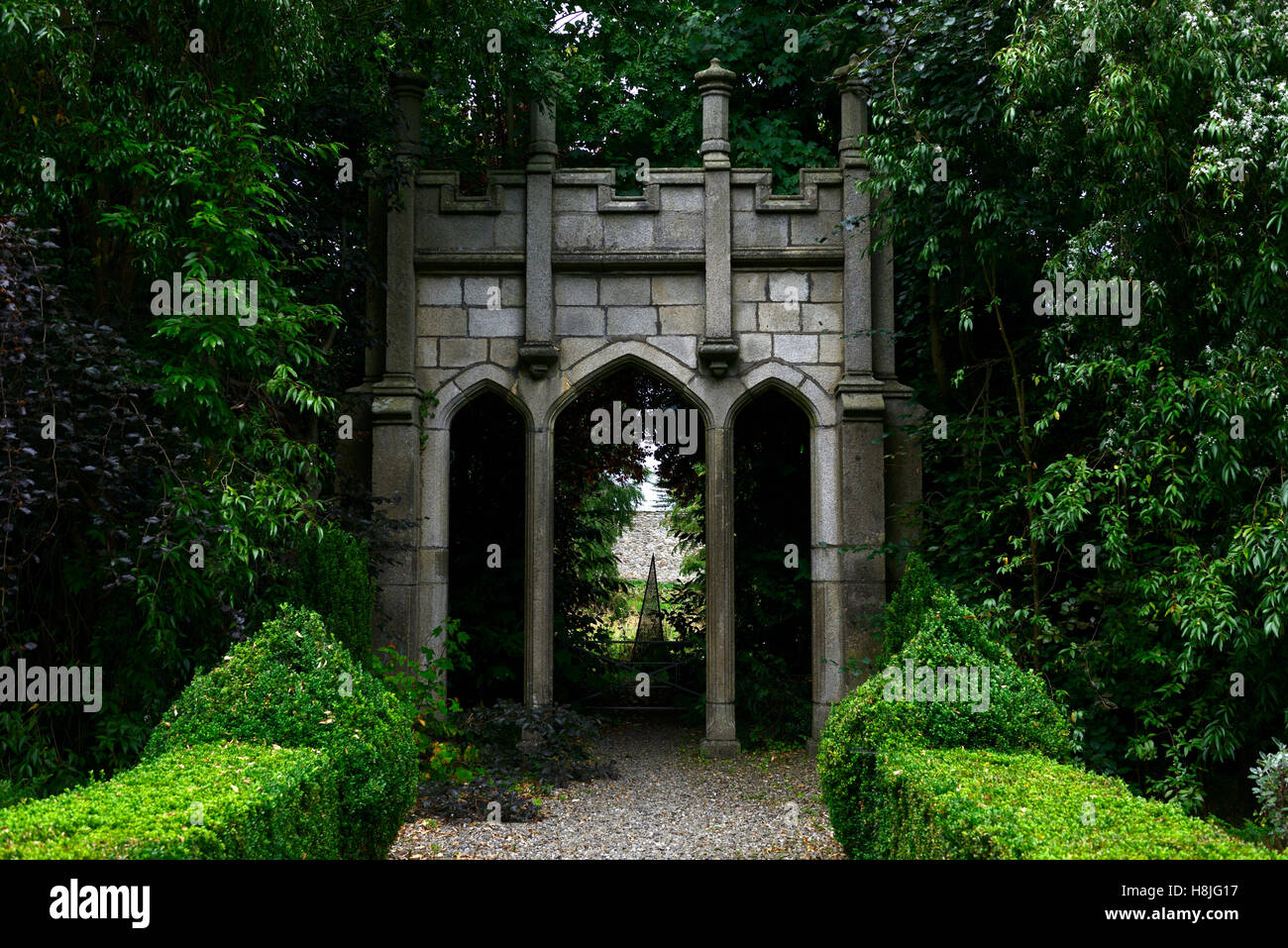
gothic follies garden folly architectural gate castellated stone alamy
English Garden Follies: Enchanting & Enduring - Flower Magazine

follies folly greek revival doric temple enduring enchanting rest nestled serene provides flowermag
ARCHITEXT By Arrol Gellner: CHOOSE YOUR FOLLY
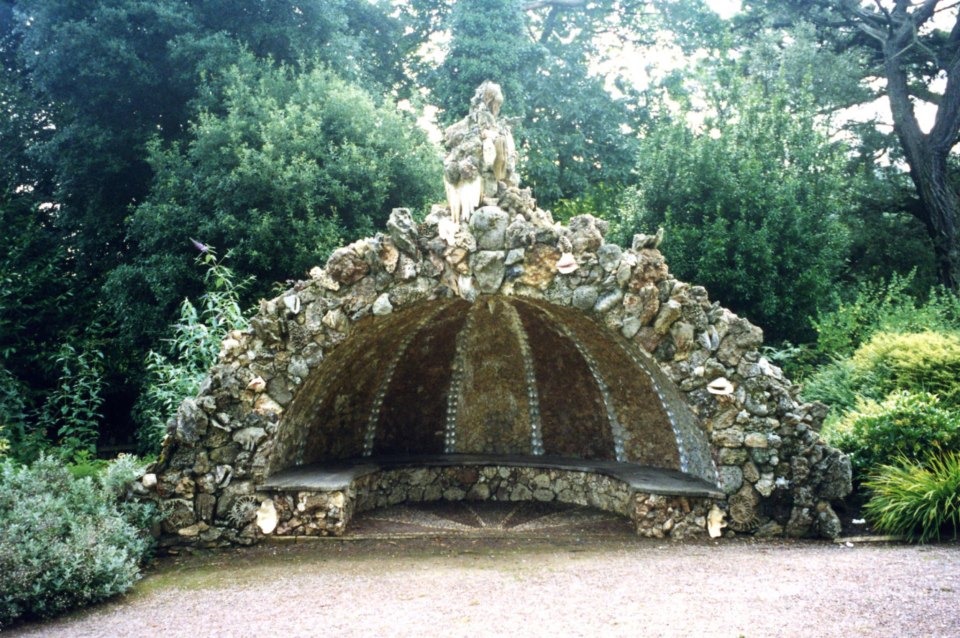
folly grottoes choose your garden grotto another favorite were
63+ Stunning Garden Folly Building Architecture Design | Greek Garden

folly architecture garden building article greek buildings