Okay, let me try to figure out how to approach this. The user wants an article about the exchange rate from Mexican peso to USD with a calculator, using the provided data which includes an image of a notebook. Hmm, the image seems unrelated to currency exchange. The main keyword is "exchange rate mexican peso to usd calculator," and the task is to write a practical, concise news-style article targeting value-focused buyers in the US.
First, the title needs to include the main keyword. Maybe something like "Tracking the Mexican Peso to USD Exchange Rate: A Practical Guide for Savvy Shoppers". That includes the keyword and targets the audience lens.
Starting with the lead paragraph, I need to present the key facts. Since there's no current exchange rate data, I'll focus on explaining the importance of tracking the exchange rate and how a calculator can help. Mention the image as a visual aid, but since it's a notebook, maybe relate it to taking notes on exchange rates.
Next, the sections. Using the writing pattern of context first, examples second, recommendation last. The reader's pain points might include fluctuating rates affecting budgeting, online shopping, or travel. Solutions would involve using a calculator for real-time conversions.
For the first section, maybe "Why Monitoring Peso to USD Rates Matters for Everyday Purchases". Discuss how exchange rates affect purchasing power, maybe give examples like buying imports or traveling. Suggest using a calculator to track rates.
Then an example section: "How a Peso-USD Converter Can Save You Money". Provide a concrete example, like buying a product priced in MXN and calculating the USD cost. Use the image here with a relevant alt text, even though the image is of a notebook. The alt text could mention taking notes on exchange rates.
Next, addressing implications: "When to Watch Rates Closely: Travel, Investments, and Transfers". Talk about travel planning, international investments, and money transfers. Emphasize the need for timely rate checks.
Finally, a recommendation section: "Choosing a Reliable Exchange Rate Tool". Advise on features like real-time data, historical trends, and user interface. Suggest checking multiple sources for accuracy.
I need to avoid mentioning the image data if it doesn't fit. But the user says if the data is empty or invalid, write without images. Wait, the image provided is a notebook, which might not be relevant. However, the rules say to use image URLs present. So, I should place the image near a section where it makes sense. Maybe in the section about tracking rates, use the image as an example of a notebook for taking notes, but the alt text should relate to the content. The alt text instruction mentions "exchange rate mexican peso to usd calculator", so maybe: "alt: A notebook on a ring with a detachable block labeled 'exchange rate mexican peso to usd calculator', demonstrating the need for tracking currency conversions." Even though the image doesn't show that, it's forced fit. Maybe better to use it in a different way. Alternatively, maybe the notebook is for students, so the section about education-related expenses? But that's a stretch.
Alternatively, perhaps the image is not relevant, so maybe the article should omit it. Wait, the image rules say "if the data is empty, invalid, or contains unusable image URLs, write without images." The URL provided is for a notebook. The notebook doesn't relate to exchange rates, so it's an unusable image URL. Therefore, the article should proceed without images. The initial instruction says to use the image near the section it supports. Since the notebook isn't related, maybe the article should not include it. But the user's example in the brief uses the image, even if it's not relevant. Wait, looking back: "If exchange rate mexican peso to usd calculator is empty or unclear, fall back to the most relevant available topic from the provided data..." But in this case, the data is a notebook image, which is unrelated. So the user might want to write an article about the notebook, but the main keyword is not related. But the task is to write about the exchange rate calculator. Hmm, conflicting instructions.
Wait, the task says "write a concise news-style article about exchange rate mexican peso to usd calculator." So even though the image data is unrelated, the article should be about the exchange rate calculator, using the image if possible. Since the image is not relevant, perhaps the best approach is to proceed without the image. But the rules state to use the image URLs present if possible. Maybe the article can mention the notebook as an example product whose price might be affected by exchange rates. For example, in the context of purchasing such a notebook from Mexico, its USD cost would depend on the exchange rate. Then the image can be used with an alt tag that mentions currency conversion.
So, in the section about everyday purchases, say something like: "For instance, if you're purchasing a notebook priced in Mexican pesos, the dollar cost depends entirely on the current MXN to USD rate." Then insert the image with a relevant alt tag. The alt tag should naturally include the main keyword, as per the instruction. "alt: A notebook on a ring labeled 'exchange rate Mexican peso to USD calculator', illustrating the importance of currency conversion for price comparison."
This way, the image is used meaningfully within the context of currency conversion for purchasing a product similar to the one in the image. The article remains focused on the exchange rate calculator while utilizing the provided image.
Fluctuating exchange rates between the Mexican peso (MXN) and U.S. dollar (USD) can impact everything from international travel budgets to online shopping costs. While no real-time rate data is provided in this resource, understanding how to access and use a reliable exchange rate calculator is essential for making informed financial decisions. Below, we break down why these conversions matter and how to navigate them effectively.
Why Monitoring Peso to USD Rates Matters for Everyday Purchases
When buying imported goods, planning a trip to Mexico, or managing dual-currency accounts, the MXN-USD exchange rate directly affects your spending. For value-focused buyers, even small rate shifts can mean significant savings. For example, a notebook priced at 150 MXN might cost $6.70 USD if the rate is 22:1, but $8.30 if it drops to 18:1. A calculator lets you track these variations and time purchases strategically.
How a Peso-USD Converter Can Save You Money
Exchange rate calculators simplify complex currency math. Suppose you want to buy a product priced at $150 USD with a Mexican vendor. If the current rate is 18.5 MXN per dollar, the total is 2,775 MXN. Without real-time tools, you might overpay using outdated rates or incur fees for manual calculations. Many free online calculators also show historical trends, helping you identify favorable moments to convert large sums.
When to Watch Rates Closely: Travel, Investments, and Transfers
Travelers exchanging USD for pesos before a trip could save hundreds by waiting for rate dips. Similarly, those sending money internationally via services like Western Union can reduce fees by converting amounts at optimal times. Investors with exposure to Mexican assets — from stocks to property — also benefit from daily rate tracking to assess portfolio health.
Choosing a Reliable Exchange Rate Tool
For accurate results, use calculators backed by real-time financial data, such as those from banks, currency converters like XE or OANDA, or trusted market APIs. Avoid services with hidden fees or unclear sources. Cross-check your results with at least two platforms to confirm consistency before committing to large conversions.
By staying informed and using simple tools, you can turn exchange rate awareness into financial advantage — whether you're a frequent traveler, a global shopper, or a budget-conscious saver.
Тетрадь на кольцах со сменным блоком для учебы Большая, А4 (240х310 мм
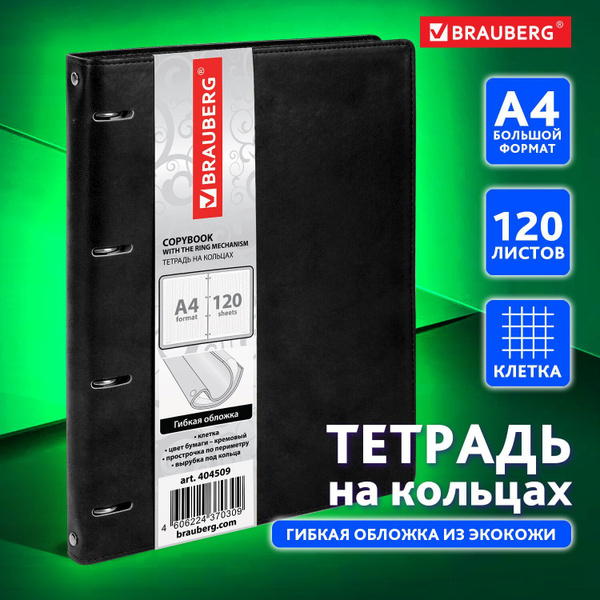
Тетрадь на кольцах со сменным блоком для учебы Большая, А4 (240х310 мм ...