Understanding German Natural Gas Imports: Sources, Trends, and Energy Dependencies
Germany’s reliance on natural gas imports has shaped its energy strategy for decades, balancing domestic demand with geopolitical realities. As Europe’s largest economy, the country imports gas from multiple regions—primarily Russia before 2022, but now diversifying to secure supply chains and meet climate goals. This shift reflects broader efforts to reduce dependence on single suppliers while maintaining energy reliability for households, industries, and power generation.
Where Germany Gets Its Natural Gas
Germany’s gas imports historically came from three main sources:
- Russia: Before the 2022 invasion of Ukraine, Russia supplied over 50% of Germany’s gas via pipelines like Nord Stream 1. Dependence on Russian gas became a strategic vulnerability, prompting urgent diversification.
- Norway: Now Germany’s top supplier, Norway provides roughly 30% of imports through pipelines like Europipe II. Its stable output and proximity make it a reliable alternative.
- Netherlands: The Groningen field, once a key supplier, has significantly reduced production due to earthquakes linked to gas extraction. Imports from the Netherlands now account for about 10%.
- Liquefied Natural Gas (LNG): Germany opened its first LNG terminal in 2022 (in Wilhelmshaven) to import gas from global markets, including the U.S. and Qatar. LNG offers flexibility but requires costly infrastructure.
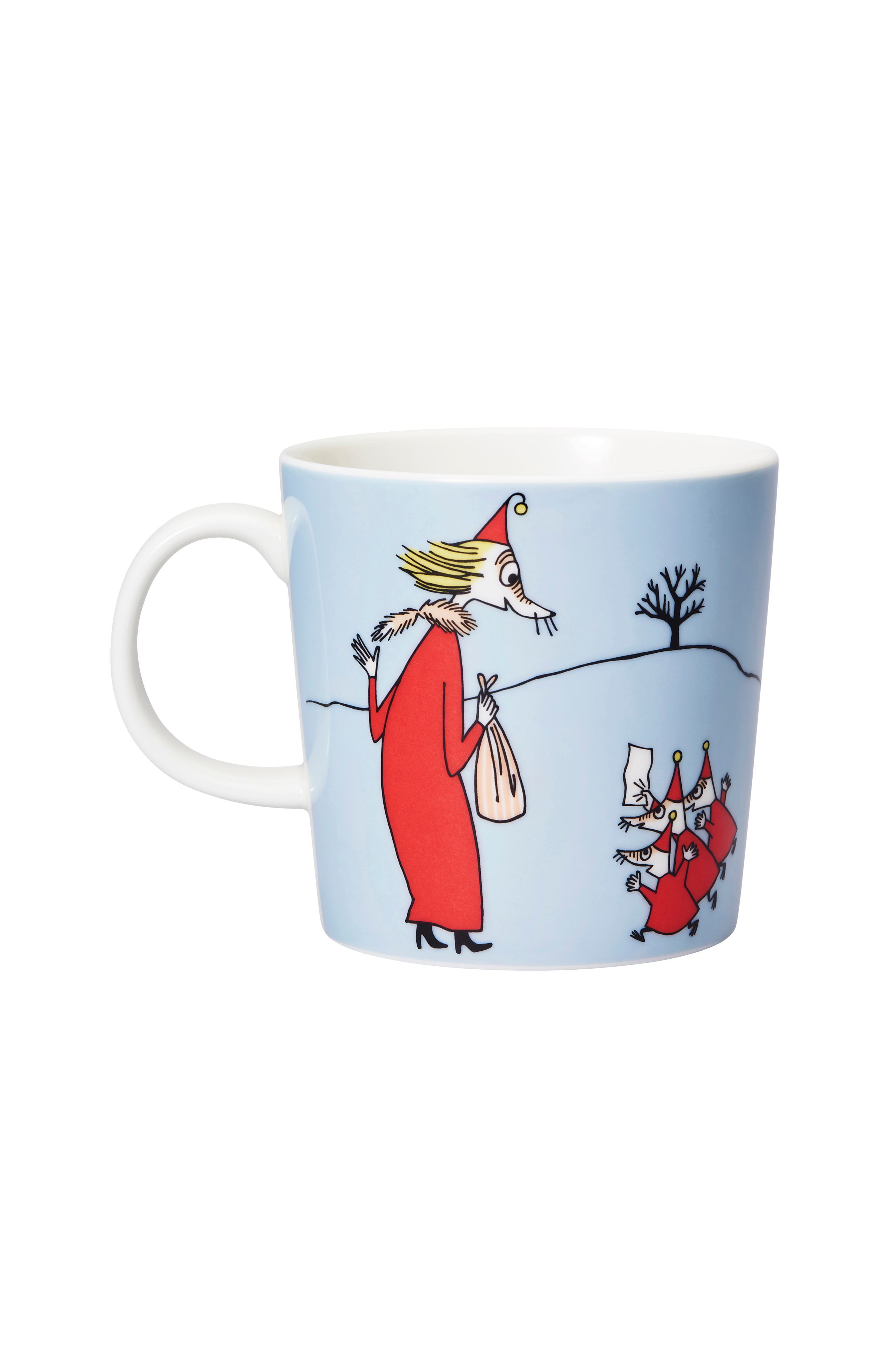
The Moomin-themed mug hints at how gas powers daily life—from heating homes to brewing coffee—highlighting the commodity’s role beyond industrial use.
Why Diversification Matters
Germany’s push to reduce Russian gas imports accelerated after the Ukraine war, revealing risks in over-reliance on a single supplier. Diversification serves three core purposes:
- Energy Security: Avoiding supply disruptions (e.g., 2022’s gas shortages) that could cripple industries or households.
- Climate Goals: Phasing out coal and oil while transitioning to renewables, though gas remains a “bridge fuel” for now.
- Price Stability: Global LNG markets can cushion against regional price spikes, though they introduce new volatility.
Challenges in the Transition
Moving away from Russian gas isn’t straightforward. Key hurdles include:
- Infrastructure Gaps: Germany lacked LNG terminals until recently, forcing costly imports via pipelines from neighboring countries.
- Costs: LNG prices fluctuate with global demand, while pipeline gas from Norway/NL is pricier than pre-war Russian supplies.
- Storage Dependence: Germany now prioritizes gas storage (aiming for 90% capacity by winter) to avoid shortages, but this requires coordination with EU partners.
What’s Next for German Gas Imports
Germany’s energy roadmap focuses on three priorities:
- Expanding LNG Capacity: New terminals (e.g., in Stade and Lubmin) will increase flexibility, though approvals and construction take years.
- Accelerating Renewables: Wind and solar are replacing gas in power generation, but intermittency requires backup solutions like hydrogen or storage.
- EU Collaboration: Joint purchasing (e.g., via the EU Energy Platform) helps Germany negotiate better LNG deals and share storage risks.
While gas remains critical for heating and industry, Germany’s long-term goal is to phase it out. In the meantime, imports will stay a mix of LNG, Norwegian/NL gas, and—if geopolitics allow—limited Russian volumes under strict conditions.
For consumers, the shift means higher energy bills in the short term but potentially lower costs and emissions in the long run. Businesses, especially energy-intensive ones like chemicals or steel, must adapt to price volatility and regulatory changes. The lesson is clear: energy security isn’t just about supply—it’s about resilience.
Mummi Kopper - Den Offisielle Mummibutikken I Norge

Mummi Kopper - Den offisielle Mummibutikken i Norge
#49 Hiihtokilpailu 2010 | Kopper, Krus, Mumi

#49 Hiihtokilpailu 2010 | Kopper, Krus, Mumi
Settekasse | Bygg Din Egen Hylle Til Kopper | Boligpluss.no

Settekasse | Bygg din egen hylle til kopper | boligpluss.no
MUMMI Kopper | FINN-torget
MUMMI kopper | FINN-torget