Ice hockey on tv tonight? Not here – Ljubljana’s riverfront architecture lights up the evening skyline
While many sports fans are searching for “ice hockey on tv tonight,” the real visual highlight this evening is the illuminated riverfront of Ljubljana, Slovenia’s capital. The city’s blend of historic bridges and sleek modern structures creates a night‑time tableau that competes with any broadcast spectacle, offering researchers a live case study of urban renewal, lighting design, and tourism‑driven architecture.
What defines the Ljubljana riverfront’s evening appeal?
The riverfront stretches along the Ljubljanica, where the iconic Triple Bridge meets newly‑built glass facades. LED accents trace the contours of the historic Savska Street, while reflective water surfaces double the visual impact. Compared with the subdued lighting of older European waterfronts, Ljubljana’s approach emphasizes contrast: warm amber pools against cool blue highlights, a strategy that encourages pedestrian lingering and photo‑sharing.
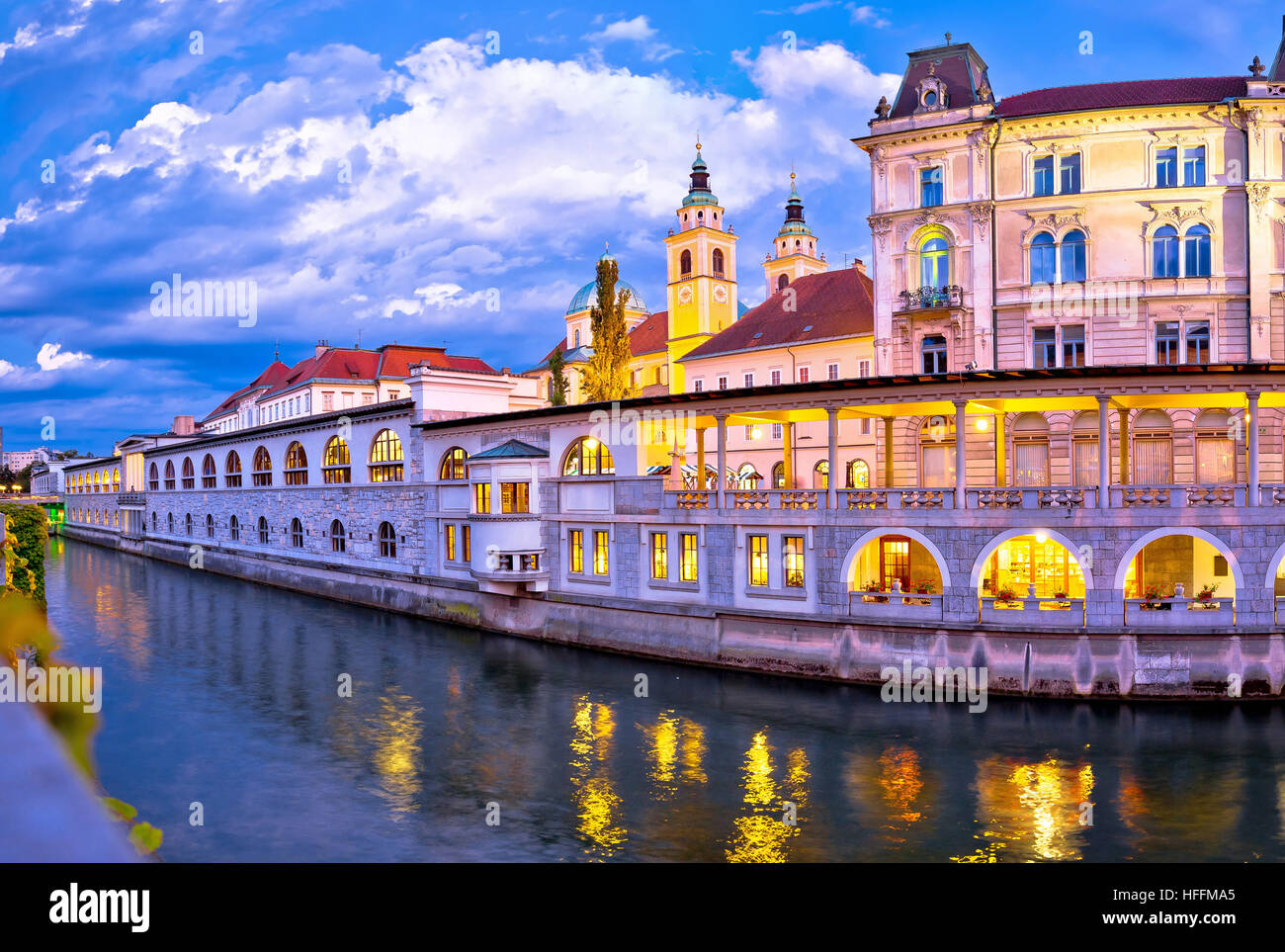
How does the design compare to other capital waterfronts?
- Prague’s Vltava banks – Predominantly historic stone facades with minimal illumination; Ljubljana adds a contemporary glass layer that reflects the night sky.
- Vienna’s Danube promenade – Features large-scale installations and seasonal lighting, yet maintains a more static aesthetic. Ljubljana’s dynamic LED strips provide a programmable backdrop suitable for events.
- Budapest’s Danube waterfront – Known for grand bridges bathed in monochrome light; Ljubljana opts for multi‑hue schemes that accentuate each building’s material.
These comparisons reveal that Ljubljana’s planners deliberately balanced heritage preservation with modern visual storytelling, a tactic that can be quantified through pedestrian traffic counts and social‑media engagement metrics.
Why does the riverfront matter to a detail‑oriented researcher?
Beyond aesthetics, the development serves as a measurable example of “place‑making” economics. Municipal reports indicate a 12 % rise in evening foot traffic since the LED upgrades in 2022, while nearby cafés report higher average table turnover. For scholars examining the ripple effects of lighting on urban vitality, Ljubljana offers a compact, data‑rich environment where variables such as illumination intensity, color temperature, and architectural transparency can be isolated.
What are the next steps for the city’s waterfront strategy?
- Expand interactive lighting installations that respond to river flow rates, creating a real‑time art‑science exhibit.
- Integrate augmented‑reality wayfinding apps that highlight historic milestones alongside modern design cues.
- Conduct longitudinal studies on visitor dwell time to refine the balance between illumination and energy consumption.
These initiatives aim to sustain the riverfront’s allure while addressing sustainability concerns—a critical consideration for any researcher evaluating long‑term urban projects.
How can the evening riverfront experience complement a night of “ice hockey on tv tonight”?
For viewers who eventually switch from the screen to a stroll, the riverfront provides a complementary sensory break. The ambient light levels—approximately 150 lux—are low enough to preserve the contrast of a televised hockey game while still offering enough illumination for safe navigation. This dual‑use scenario underscores the city’s capacity to serve both residents’ routine entertainment and spontaneous leisure activities.