Iranian Air Force Planes: Overview of Fleet and Recent Developments
The Iranian Air Force fields a mixed inventory that includes aging Western jets, Russian‑supplied fighters, and a growing number of domestically produced aircraft, reflecting both historic acquisitions and the push for self‑reliance under international sanctions.
Assess the Fleet's Mix
Iran’s operational squadrons still fly dozens of F‑4 Phantom II and F‑5 Tiger II airframes acquired before the 1979 revolution, supplemented by MiG‑29 Fulcrums and Su‑24 Fencer strike aircraft purchased from Russia and former Eastern Bloc states. In parallel, the country has fielded the indigenously built Saeqeh, a lightweight fighter derived from the F‑5 platform, and has shown prototypes of the Kowsar, a twin‑seat trainer/fighter that incorporates upgraded avionics and a locally produced engine. Transport and reconnaissance needs are met by a mix of C‑130 Hercules, Boeing 707‑derived tankers, and various Ilyushin and Antonov cargo planes, while helicopter fleets include Bell 212s, Mil Mi‑17s, and the domestically upgraded Shahed 285.
Track Modernization Steps
Because acquiring brand‑new Western combat jets remains difficult, Tehran has emphasized upgrades to existing airframes. Programs have installed new radar suites, electronic warfare packages, and precision‑guided munitions capability on F‑4s and F‑5s. The MiG‑29 fleet has reportedly received upgraded RD‑33 engines and improved cockpit displays, extending their service life. On the production side, Iranian aerospace firms have accelerated assembly lines for the Saeqeh and Kowsar, aiming to replace older fighters with platforms that can be maintained using locally sourced spare parts. Unmanned aerial vehicles, such as the Shahed‑136 loitering munition and various reconnaissance drones, have also been integrated into air force units to supplement manned platforms for surveillance and strike missions.
Examine Training and Operational Roles
Pilot training continues to rely on a fleet of T‑37 Tweet and T‑38 Talon jets, supplemented by the domestically produced Yasin trainer. Operational doctrine emphasizes air defense of vital infrastructure, close air support for ground forces, and limited power‑projection capabilities within the region. Exercises frequently showcase coordinated maneuvers between fighter squadrons, air defense units, and drone operators, highlighting an effort to create a more network‑centric approach despite constraints on high‑end technology.
Consider Challenges Ahead
Sanctions limit access to cutting‑edge avionics, advanced engines, and precision weaponry, pushing Iran to reverse‑engineer or develop substitutes. Maintaining the aging Western fleet poses logistical hurdles, as spare parts become scarce and costly to produce domestically. While the push for indigenous aircraft has yielded visible results, questions remain about the combat effectiveness of these platforms compared with fourth‑generation jets fielded by regional rivals. Nevertheless, the Iranian Air Force appears committed to sustaining a functional mix of old and new assets, leveraging upgrades, drone integration, and self‑sufficiency strategies to meet its defense priorities.
Abdullah Çatlı Kimdir? Abdullah Çatlı Nasıl öldü? - Haberler

Abdullah Çatlı kimdir? Abdullah Çatlı nasıl öldü? - Haberler
Abdullah Çatlı Yaşıyor Mu, Gerçekten öldü Mü, ölümü Sahte Mi?
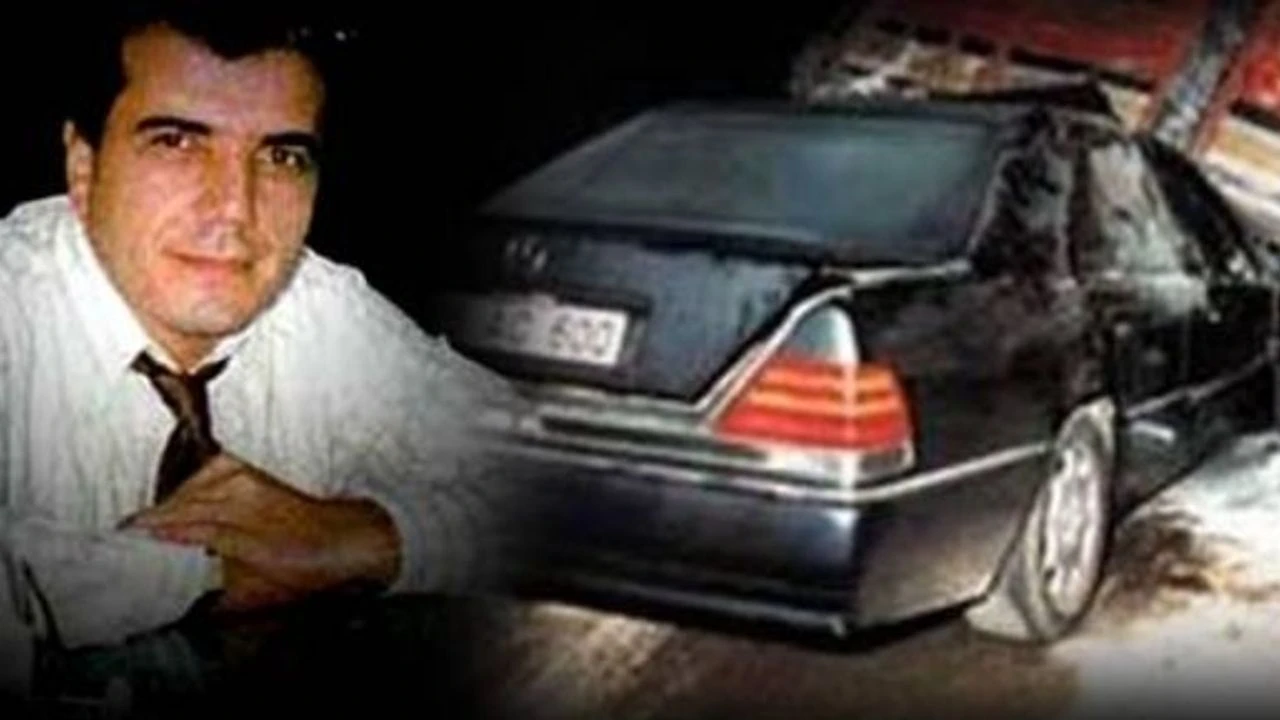
Abdullah Çatlı yaşıyor mu, gerçekten öldü mü, ölümü sahte mi?
1993 Yılından Trafik Çevirmesi: Görüntülerdeki Kişi Abdullah Çatlı Mı

1993 Yılından Trafik Çevirmesi: Görüntülerdeki Kişi Abdullah Çatlı mı ...
Abdullah Çatlı’nın Hayatı Film Oluyor! Eski Galatasaraylı Futbolcu
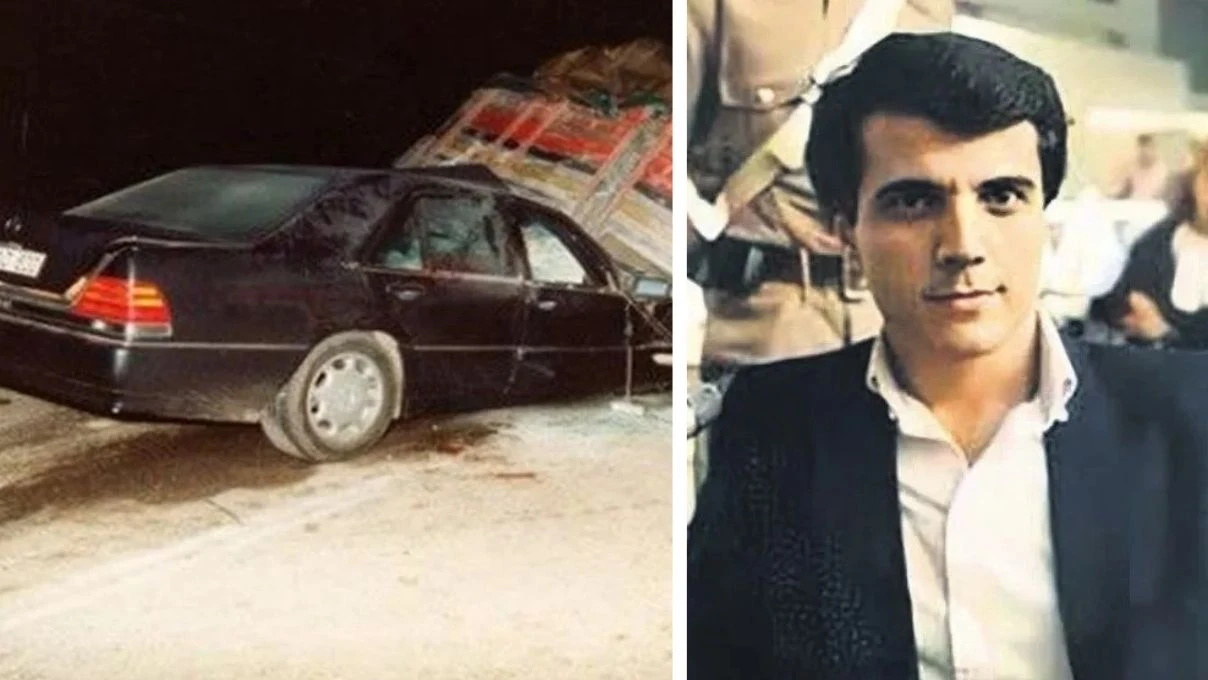
Abdullah Çatlı’nın hayatı film oluyor! Eski Galatasaraylı futbolcu ...
Abdullah Çatlı Yaşıyor Mu? Abdullah Çatlı Hakan Fidan Mı? Abdullah
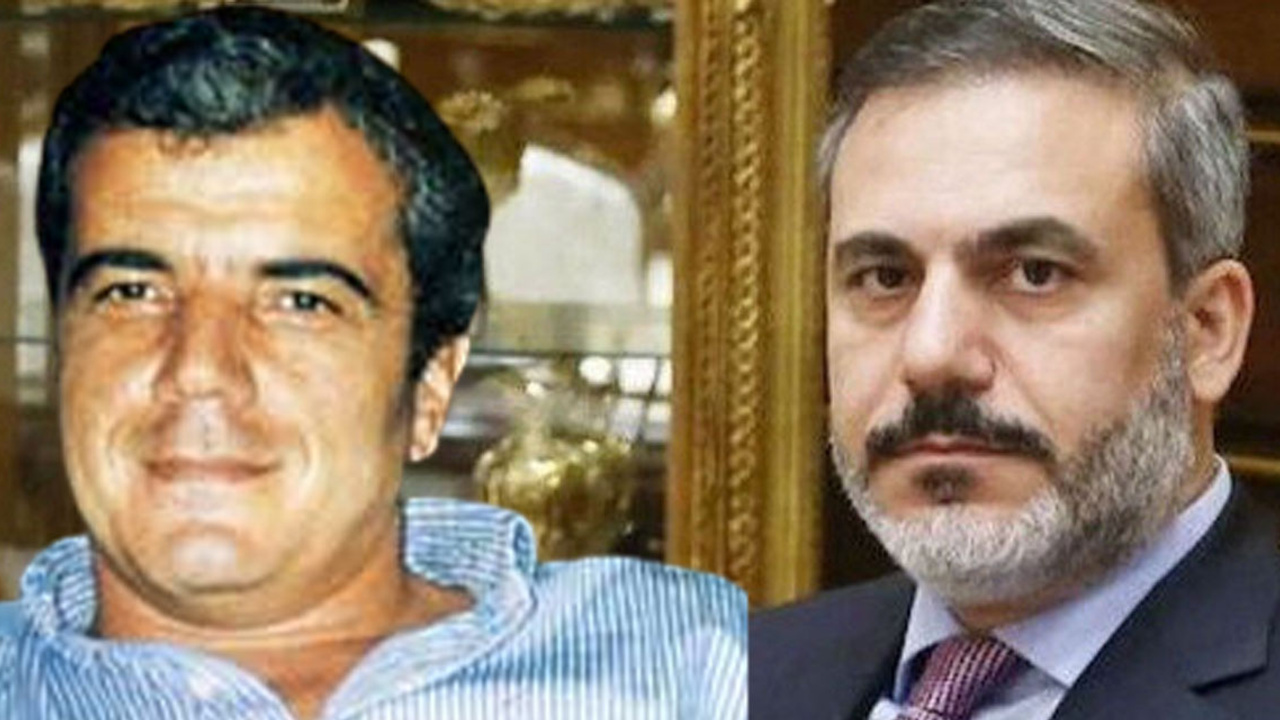
Abdullah Çatlı yaşıyor mu? Abdullah Çatlı Hakan Fidan mı? Abdullah ...