Oil Prices in Ireland Today: What’s Driving Costs and How to Cut Your Bill
Oil prices in Ireland today remain under pressure from global supply tightness and seasonal demand swings, pushing household heating costs higher for many homes still reliant on oil boilers. While prices have eased from last winter’s peaks, they’re still well above pre-2020 levels, leaving families and small businesses hunting for ways to soften the blow.
Why are oil prices in Ireland today higher than they were a year ago?
Ireland imports nearly all its oil, so international benchmarks like Brent crude set the baseline. After a sharp drop in 2020, prices rebounded as economies reopened and OPEC+ kept supply tight. Geopolitical risks—from the Middle East to Ukraine—have added a risk premium, while refinery outages in Europe have tightened regional supplies. Even small disruptions can ripple through Irish ports, where coastal storage is limited and logistics costs add up quickly.
How much are typical households actually paying right now?
Most Irish oil users buy in 900-litre deliveries, and the average price today sits around €1.15–€1.20 per litre, depending on supplier and location. That’s roughly €1,035–€1,080 for a full tank, up from €850–€900 this time last year. For homes with older boilers or poor insulation, that extra €200 can feel like a second rent payment each winter.

What’s the smartest way to reduce oil use without freezing?
Start with the boiler. A modern condensing oil boiler can cut fuel use by 20–25% compared to a 15-year-old unit. Pair it with a smart thermostat that learns your routine and drops temperatures by 1–2°C overnight—saving about €100 a year without sacrificing comfort. Next, plug the leaks: draught-proof windows, insulate attic hatches, and fit radiator panels behind older radiators to reflect heat back into rooms.
Are there cheaper alternatives to oil for Irish homes?
Heat pumps are the clear long-term winner, but they require upfront investment and suitable properties. For renters or those unable to retrofit, consider switching to a heat pump-friendly supplier that offers hybrid systems—oil boiler plus air-source heat pump—so you can use the cheaper electricity option when possible and fall back on oil only during cold snaps. Some suppliers also offer capped-price oil plans, locking in a set rate for the season and removing the guesswork.
What should you do before your next oil delivery?
Check your usage history. If your consumption has crept up, it’s likely time for a boiler service or a thermostat upgrade. Ask your supplier for a seasonal price check—some offer discounts for off-peak deliveries in early autumn. Finally, compare suppliers. The difference between the cheapest and most expensive oil price in Ireland today can exceed €0.10 per litre, which adds up to €90 on a 900-litre tank. Use comparison sites or call local dealers directly; loyalty rarely pays when prices are volatile.
Oil prices in Ireland today aren’t likely to crash back to 2019 levels anytime soon, but small, targeted changes can shave hundreds off your annual bill without turning down the thermostat. Start with the boiler, seal the leaks, and shop around—those steps alone can turn today’s volatility into tomorrow’s savings.
Erosion Rill Forming In Field Tram Line 01

Erosion rill forming in field tram line 01
Erosion Rill Forming In Field Tram Line 02

Erosion rill forming in field tram line 02
Rill Erosion | Rill Erosion Involves Tiny Channels In Which … | Flickr

Rill Erosion | Rill erosion involves tiny channels in which … | Flickr
Market As A Factor In Soil Erosion: The Expansion Of New And Old Crops
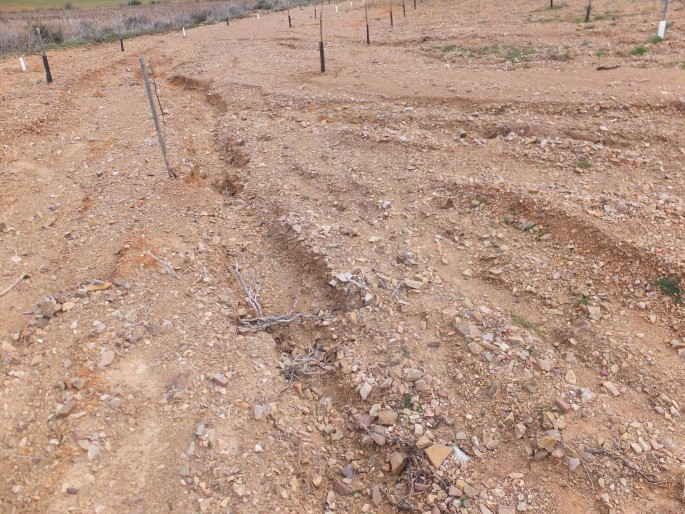
Market as a factor in soil erosion: the expansion of new and old crops ...
Soil Erosion - Wikipedia

Soil erosion - Wikipedia