Primary Teacher Jobs UAE: Trends, Pay, and How to Navigate the Market
For educators eyeing the Gulf region, the United Arab Emirates remains a top destination for primary teaching roles. With a growing emphasis on international curricula and a robust demand for qualified teachers, the country offers competitive salaries, attractive benefits, and a unique cultural experience. This guide breaks down the key pain points candidates face and practical ways to secure a rewarding position in UAE schools.
What Drives Demand for Primary Teachers in the UAE?
The UAE’s educational sector has expanded rapidly over the past decade. As more families move to the Emirates for business or lifestyle reasons, international schools are increasing enrolments. The result is a steady pipeline of openings for qualified primary teachers, especially those certified in British, American, or International Baccalaureate (IB) frameworks. Schools also look for teachers who can integrate technology and bilingual instruction into their lessons.
Salary and Benefits: How Do They Stack Up?
- Competitive Base Pay – Primary teachers can expect a monthly salary range of AED 8,000 to AED 12,000, depending on experience, qualifications, and the school’s reputation. In many cases, schools match or exceed the salaries offered in the UK or US for equivalent roles.
- Housing Allowance – Most institutions include a housing stipend that covers full or partial rent for a 2‑ to 3‑bedroom apartment, a major relief for expatriates who might otherwise face high local costs.
- Health and Insurance – Comprehensive medical coverage for the teacher and immediate family is standard, often with access to private hospitals across Dubai and Abu Dhabi.
- Annual Return Flights – Many schools sponsor a round‑trip ticket to the teacher’s home country each year, easing the logistical burden of long‑term relocation.
Visa and Work Permits: What Are the Key Hurdles?
Securing a work visa in the UAE requires a valid job offer and a sponsor, usually the school itself. The process involves several steps:
- Verification of educational credentials by the UAE Ministry of Education or an accredited institution.
- Medical screening and proof of health insurance.
- Submission of a residency permit application, which can take 4‑6 weeks.
Teachers often encounter delays if their qualifications are not immediately recognized. Working with a reputable recruitment agency can expedite the paperwork and provide guidance on required documentation.
Professional Development and Certification: Why It Matters
While a primary teaching degree is a minimum requirement, schools increasingly value additional certifications such as:
- Teaching English to Speakers of Other Languages (TESOL/TEFL)
- International Primary Curriculum (IPC) or IB Primary Years Programme (PYP)
- Special Education Needs (SEN) training
Holding these credentials not only improves job prospects but can also qualify a teacher for higher salary tiers or leadership positions within the school.
Work‑Life Balance: Managing Culture and Classroom Expectations
Teachers often wonder how the UAE’s culture impacts daily routines. Schools typically operate from 7:30 am to 2:30 pm, with a long lunch break that allows teachers to plan lessons or pursue professional development. The UAE’s climate and lifestyle differ markedly from temperate regions, but many expatriates find the blend of modern infrastructure and rich heritage rewarding.
How to Stand Out in a Competitive Applicant Pool
With dozens of qualified candidates applying for each opening, differentiation is key. Consider the following strategies:
- Create a concise, well‑structured curriculum vitae that highlights international experience and technology integration.
- Prepare a short teaching demonstration video or sample lesson plan that showcases engagement techniques.
- Network with current teachers or alumni from UAE schools via LinkedIn groups or professional forums.
Lastly, demonstrate flexibility—willingness to teach multiple subjects or participate in extracurricular activities can make a candidate more appealing to schools seeking versatile staff.
Looking Ahead: Future Outlook for Primary Teachers in the UAE
The UAE’s education sector is poised for continued growth, with government initiatives targeting higher literacy rates and STEM proficiency. This translates to more teaching opportunities and a broader range of schools, from private international institutions to government‑run schools adopting English as a medium of instruction. For those willing to navigate the visa process and adapt to a multicultural environment, primary teacher jobs in the UAE offer both professional advancement and a unique expatriate experience.
Ravencourt Living Pippa Tipper Automatic Lockable Pill Dispenser Weekly
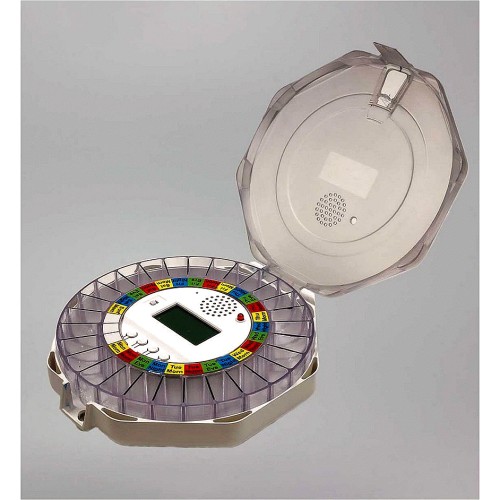
Ravencourt Living Pippa Tipper Automatic Lockable Pill Dispenser Weekly ...