Primary Teaching Jobs UAE: A Clear Guide for Prospective Educators
The United Arab Emirates has emerged as a prominent destination for teachers seeking rewarding careers abroad. With a rapidly expanding public and private school sector, the demand for qualified primary educators is steady, offering attractive salaries, comprehensive benefits, and the chance to work in a culturally diverse environment.
Why the UAE is a Hot Spot for Primary Teachers
UAE schools emphasize bilingual instruction and international curricula, such as the International Baccalaureate, British, and American systems. This global orientation attracts expatriate teachers who wish to broaden their pedagogical experience and gain exposure to varied educational philosophies. The country's strategic location and tax‑free income further enhance its appeal to educators worldwide.
Key Qualifications and Recruitment Process
- Certification: A bachelor’s degree in education or a related field is standard, often accompanied by a teaching license or credential recognized in the teacher’s home country.
- Experience: Most schools require at least one to three years of classroom experience, though some international institutions may consider recent graduates if they hold a teaching qualification.
- Language Proficiency: Proficiency in English is mandatory; knowledge of Arabic can be an advantage but is not always compulsory.
- Visa and Work Permits: Employers usually sponsor the visa; candidates must provide proof of qualifications and a clean criminal record.
- Recruitment Channels: Schools post vacancies on national portals such as GulfTalent and Teaching Jobs UAE, and many use international recruiting agencies to streamline the hiring process.
Compensation Packages: What to Expect
Salary ranges vary by school type, location, and experience level. Typical annual salaries for primary teachers in the UAE fall between AED 120,000 and AED 180,000 ($32,600–$49,000). Besides the base pay, many institutions offer:
- Housing allowance or company‑provided accommodation
- Health insurance covering the teacher and immediate family
- Annual flight reimbursement to the home country
- End‑of‑service gratuity, calculated as a percentage of total earnings
Professional Growth and Workplace Culture
UAE schools often invest in continuous professional development, hosting workshops, and international conferences. Teachers can participate in mentorship programs and cross‑curriculum collaborations, fostering innovative teaching methods. However, the cultural context requires sensitivity to local customs and a strong understanding of the Emirati educational ethos.
Challenges to Anticipate
While the benefits are substantial, prospective educators should also weigh potential hurdles:
- High cost of living in cities like Dubai and Abu Dhabi may offset the tax‑free advantage.
- Work hours can extend beyond the standard school day, especially during exam periods.
- Adapting to a new language and cultural environment can be demanding for newcomers.
Steps to Secure a Primary Teaching Position
- Update Your CV – Highlight teaching certifications, multilingual skills, and international experience.
- Target Accredited Schools – Focus on institutions that align with your preferred curriculum.
- Prepare for Interviews – Be ready to discuss classroom management strategies and integration of technology.
- Verify Credentials – Ensure all teaching certificates are notarized and ready for verification by the UAE Ministry of Education.
- Secure Housing and Visa – Coordinate with your prospective employer early to arrange accommodation and paperwork.
Embarking on a primary teaching career in the UAE can be a transformative step, blending professional fulfillment with a rich cultural experience. By understanding the sector’s expectations, benefits, and challenges, educators can make informed decisions that align with their long‑term career goals.
Tendinitis Del Tibial Anterior: Qué Es, Causas, Síntomas, Tratamiento Y
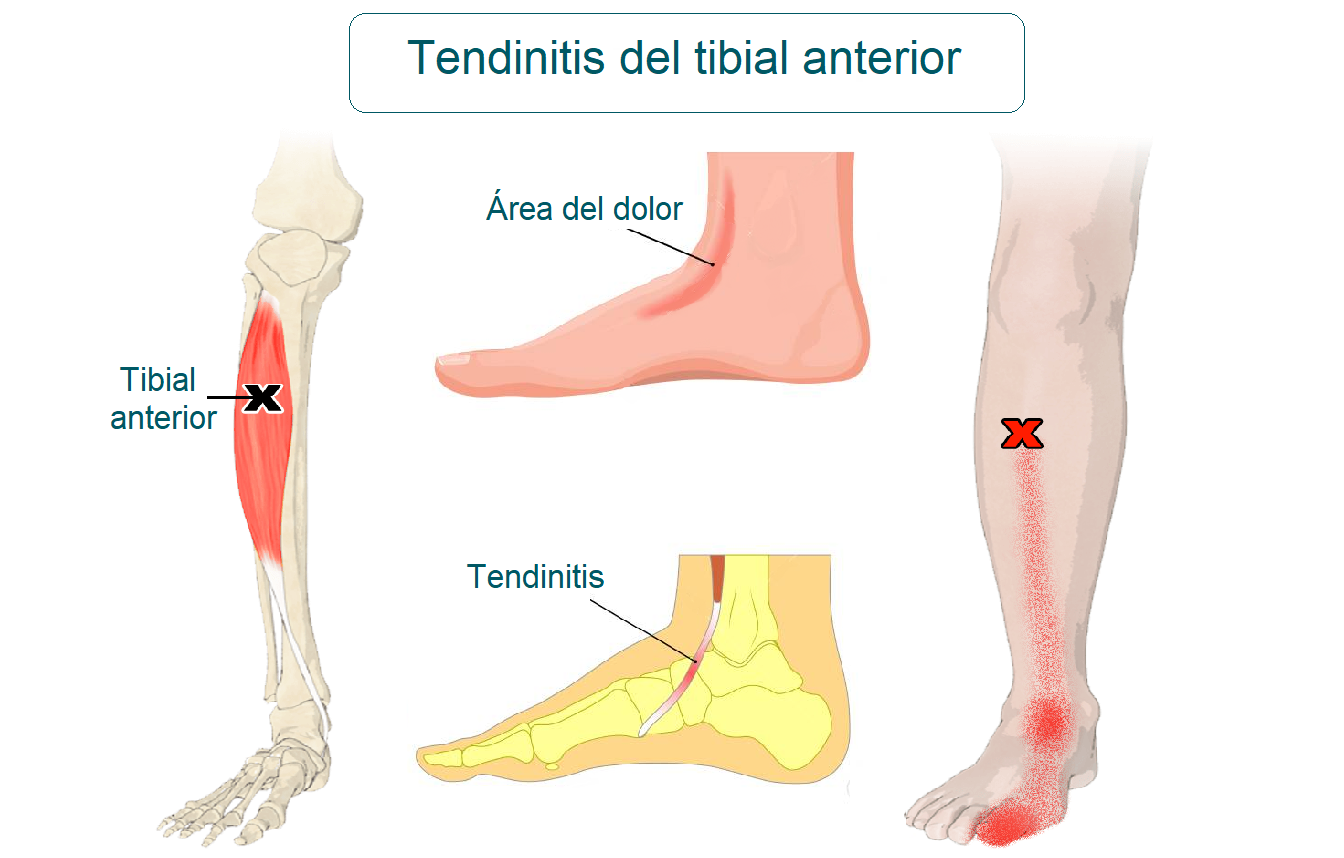
Tendinitis del tibial anterior: Qué es, causas, síntomas, tratamiento y ...