Russian Natural Gas Prices: What’s Behind the Recent Trends and How They Affect You
Russian natural gas prices have been moving in ways that matter to households, businesses, and policymakers alike. Whether you’re watching your heating bill or evaluating energy costs for your company, understanding these shifts can help you plan ahead and avoid surprises.
Why Russian Natural Gas Prices Are on the Radar Again
After years of relative stability, Russian natural gas prices have seen renewed volatility. This isn’t just a technical blip—it reflects broader changes in global supply, demand, and geopolitical decisions. For buyers, the key question isn’t just “how much is it today?” but “what could it be tomorrow, and how do I prepare?”
How Supply and Demand Are Shaping the Market
On the supply side, Russia remains one of the world’s top natural gas exporters, but production levels and export routes are under scrutiny. Infrastructure constraints, such as pipeline capacity and LNG (liquefied natural gas) export terminals, play a big role in pricing. Meanwhile, demand fluctuates with seasonal weather patterns—cold winters spike consumption, while mild seasons ease pressure on reserves.
For example, a colder-than-expected winter in Europe can quickly tighten supply and push prices up, even if Russian export volumes stay the same. Conversely, a warmer winter or a slowdown in industrial activity can soften demand and ease prices downward. These natural swings create a dynamic pricing environment that buyers must navigate carefully.
What Recent Price Movements Mean for You
If you’re a homeowner relying on natural gas for heating, price changes can directly impact your monthly budget. Even small fluctuations add up over a full heating season. Businesses, especially those in energy-intensive industries like manufacturing or agriculture, face even sharper cost pressures when gas prices rise.
Consider a mid-sized factory that uses natural gas for both heating and as a feedstock. A 10% increase in gas prices could translate to tens of thousands of dollars in additional annual costs—enough to affect hiring plans or product pricing. Understanding these cost drivers helps businesses negotiate better contracts or explore alternative energy sources.
How to Stay Ahead of Price Changes
Monitoring key indicators can give you an early warning before prices shift. Track weather forecasts for Europe and Asia, watch for announcements about Russian pipeline maintenance or export restrictions, and keep an eye on global LNG market trends. Many energy platforms and commodity exchanges offer free or low-cost alerts that notify subscribers of significant price movements.
Another practical step is to review your current contract terms. If you’re locked into a fixed-rate agreement, you may be protected from short-term spikes—but you could miss out on potential savings if prices drop. If you’re on a variable rate, consider setting a price ceiling or hedging with futures contracts to limit exposure.
Long-Term Outlook: What’s Next for Russian Gas Prices
Looking beyond the immediate fluctuations, several structural factors will shape Russian natural gas prices in the coming years. The expansion of renewable energy sources in Europe could reduce long-term demand for Russian gas, while new pipeline projects—like those in Siberia—could increase export capacity. Meanwhile, sanctions and geopolitical tensions remain wild cards that could disrupt supply chains at any time.
For buyers, the best strategy is to stay informed, diversify energy sources where possible, and build flexibility into contracts. While no one can predict the future, understanding these forces puts you in a stronger position to make smart decisions.
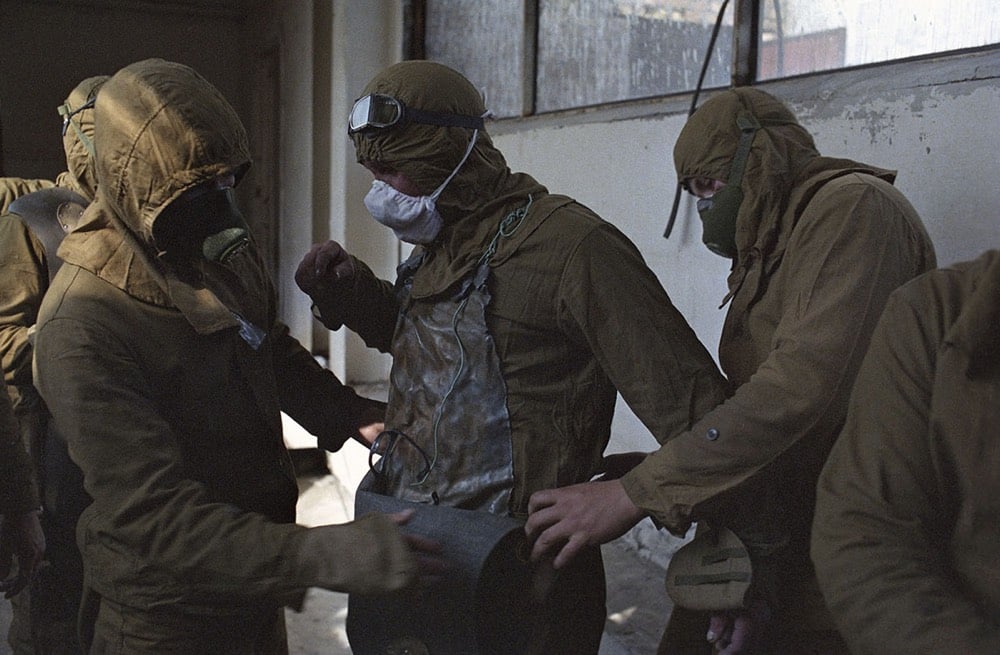
Photos From The Chernobyl Disaster In 1986

Photos from the Chernobyl Disaster in 1986