Teacher Jobs in Sharjah: What Educators Need to Know About Opportunities in the UAE's Cultural Capital
Sharjah, the third-largest emirate in the United Arab Emirates, has quietly built one of the most education-focused economies in the Gulf region. With over 200 private and public schools serving a student population that exceeds 300,000, teacher jobs in Sharjah represent a steady, if competitive, pathway for both local and expatriate educators seeking stable careers in a country that prioritizes knowledge-based development.
The Sharjah Advantage: Why Educators Look Beyond Dubai
While Dubai grabs headlines, Sharjah offers a different proposition. The cost of living runs roughly 30–40% lower than its glitzy neighbor, meaning teaching salaries stretch further. The Sharjah Education Council has invested heavily in curriculum modernization, particularly in STEM and Arabic-English bilingual programs, creating demand for teachers with specialized skills rather than generalist backgrounds.
Recent policy shifts matter here. The UAE's 2023–2025 education roadmap emphasizes Emirati workforce development, but implementation still relies heavily on experienced international teachers. Sharjah's American Academy, GEMS-managed schools, and British curriculum institutions regularly post openings for qualified secondary teachers, especially in mathematics, physics, and computer science.
What the Hiring Process Actually Requires
Practical barriers exist and should not be understated. The Ministry of Education and Knowledge (MOEK) mandates attested bachelor's degrees, teaching diplomas or licenses, and two years of post-qualification experience for most positions. Candidates from certain countries face additional attestation hurdles that can delay start dates by months.
Salaries for teacher jobs in Sharjah typically range from AED 8,000 to 15,000 monthly for mid-level positions, with housing allowances varying by institution. Premium American and IB curriculum schools may offer higher packages, but these roles attract hundreds of applicants per opening. The competitive edge goes to teachers with IB certification, special education credentials, or proven track records raising standardized test scores.
Visa Realities and Workplace Culture
The employment visa process has tightened. Schools now serve as full sponsors, and probation periods extend to six months in many cases. Teachers should verify that contracts specify health insurance, annual flight allowances, and end-of-service gratuity compliant with UAE labor law—not all private institutions standardize these.
Workplace expectations diverge from Western norms. Parental involvement runs intense; communication with families often requires cultural sensitivity training that schools increasingly provide. Class sizes in Sharjah's public schools average 25–30 students, smaller than some regional counterparts but larger than typical American or British settings. Adaptability measures success more than pedigree.
Looking Forward: Sustainability of the Sector
Questions about long-term stability merit attention. The UAE's broader economic diversification away from hydrocarbons means education remains strategically important, but local hiring initiatives aim to gradually replace expatriate teachers with Emirati nationals. This transition will unfold over decades, not months, yet it shapes how international educators should view career horizons.
Sharjah's teacher job market rewards preparation and patience. Candidates who research specific schools, secure proper documentation before applying, and align their expertise with stated curriculum needs find placement most efficiently. Those treating the UAE as a spontaneous adventure rather than a professional move often confront avoided complications.
The Radiology Assistant : Endometriosis - MRI Detection
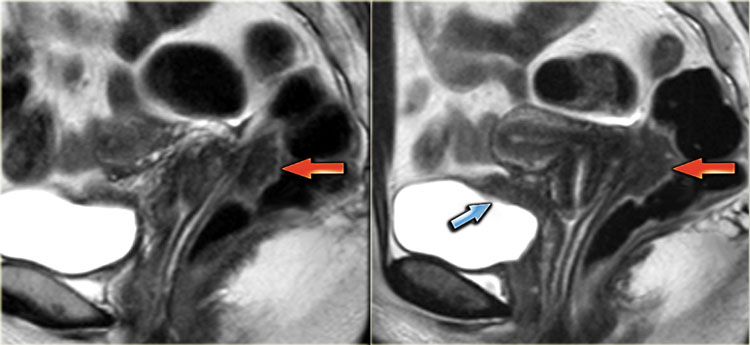
The Radiology Assistant : Endometriosis - MRI detection