How to Perfect Pirouettes While Waiting for the U of MN Hockey Score Tonight
Whether you’re checking the live feed for the U of MN hockey score tonight or rehearsing in the studio, mastering a clean pirouette hinges on the same disciplined approach: precise alignment, consistent spotting, and incremental feedback.
Why Alignment Beats Speed in Both Sports and Dance
Hockey players tighten their stance to protect the net; ballerinas tighten their core to keep the spin centered. In both arenas, the first step is establishing a solid base. For a pirouette, the feet should be turned out to at least a 45‑degree angle, weight evenly distributed over the balls of the feet, and the hips square to the direction of travel. Skaters doing a face‑off mirror this by placing their weight low and aligning their shoulders with the puck’s trajectory.
Spotting: The Visual Cue That Saves the Turn
Spotting is the dancer’s version of a goalie’s glare on the puck. As you spin, fix your eyes on a single point at the start of the turn, then whip your head around to that same point at the end of each revolution. This technique reduces dizziness and keeps the rotation axis stable. Practice with a mirror or video playback, treating each successful spot as a “save” in a game report.
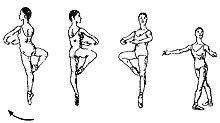
Building Core Strength – The Endurance Factor
Just as a hockey line rotates to keep fresh legs on the ice, a dancer cycles through core exercises to sustain multiple turns. Incorporate planks, Pilates hundred, and Russian twists into your warm‑up. Aim for three sets of 30‑second holds, gradually increasing to a minute. The stronger your core, the less you rely on momentum, which mirrors a team’s reliance on disciplined positioning rather than brute force.
Practical Progression
- Static Turn. Start with a single‑beat pirouette on a flat foot, focusing on alignment.
- Spotting Drill. Perform a one‑beat turn while verbally counting “one, two” to reinforce the visual cue.
- Speed Increment. Add a half‑beat, then a full‑beat, tracking your ability to keep the spot.
- Endurance Set. Execute five consecutive turns, resting 10 seconds, then repeat for three rounds.
Translating Feedback: From the Bench to the Barre
Coaches hand out stats after a game; teachers give notes after a class. Record your pirouettes on a smartphone and review the footage frame by frame. Look for wobble in the hips, drift in the foot placement, or loss of spot. Write down one concrete adjustment per session—just as a hockey analyst would log a missed pass. This habit creates a feedback loop that accelerates improvement.
Implications for Performance and Confidence
When the U of MN hockey score tonight finally lights up the scoreboard, the same mental clarity you applied to your turn will help you process the result without over‑reacting. In dance, a clean pirouette translates to heightened stage confidence, enabling more complex choreography later in the season. The cross‑disciplinary mindset—treating each practice as a data point—cultivates resilience both on the ice and in the studio.
Ballerina By Day...: Perfecting Pirouettes

ballerina by day...: perfecting pirouettes