When Is Tornado Season in Omaha? A Simple Guide for Visitors
Omaha sits in the heart of Tornado Alley, where spring and early summer bring the highest risk of severe storms. If you're planning a trip or just want to know when to stay alert, tornado season in Omaha typically runs from late April through early August, with the peak arriving in May and June. That’s when warm, moist air from the Gulf of Mexico collides with cooler systems moving east, creating the perfect conditions for rotating thunderstorms and tornadoes.
Why Tornado Season Peaks in Late Spring and Early Summer
The timing isn’t random. By late April, the jet stream shifts northward, pulling unstable air into the central Plains. Omaha’s location—far from the moderating effects of large bodies of water—leaves it exposed to these clashes. The most intense tornadoes often form in the late afternoon or early evening, when daytime heating fuels the storms. While tornadoes can happen any time of year, the odds jump dramatically during these months.
What to Watch For: Key Warning Signs
If you’re in Omaha during tornado season, keep an eye on the sky and local alerts. Dark, greenish skies, large hail, and a loud roar like a freight train are classic signs of an approaching tornado. The National Weather Service issues watches (conditions are favorable) and warnings (a tornado has been spotted or detected by radar). Download a reliable weather app or enable emergency alerts on your phone to stay ahead of the storm.
How Omaha Prepares: Safety Steps You Should Know
The city and surrounding Douglas County have well-practiced emergency plans. Schools, hospitals, and businesses regularly run tornado drills, and public shelters are clearly marked. If you’re staying in a hotel, ask the front desk about their safety procedures. At home or in a rental, identify the lowest interior room—like a basement or bathroom without windows—and keep a flashlight and sturdy shoes nearby. Avoid seeking shelter in vehicles or mobile homes; those structures offer little protection against flying debris.
Traveling During Tornado Season: Should You Postpone?
You don’t need to cancel your Omaha trip, but flexibility is key. Spring weather can change rapidly, so book refundable accommodations and keep an eye on the forecast. If severe storms are predicted, consider adjusting outdoor plans for the day. Many attractions, like the Old Market district or the Henry Doorly Zoo, have indoor alternatives. The zoo, for example, offers a massive indoor desert dome and aquarium—perfect for a stormy afternoon.
Beyond the Storm: What to Do After a Tornado
If a tornado hits, stay cautious even after the skies clear. Watch for downed power lines, broken glass, and weakened structures. Avoid flooded roads, as they may hide debris or washed-out pavement. Check local news or the city’s website for updates on road closures and recovery efforts. Omaha’s emergency responders typically restore basic services within hours, but patience is crucial—especially if you’re relying on public transit or rideshares.
Tornado season in Omaha isn’t something to fear if you’re prepared. By understanding the risks, staying informed, and having a plan, you can navigate the season without letting it derail your visit. The storms are part of what makes the Plains’ weather so dynamic—and with the right precautions, you’ll be ready for whatever the sky throws your way.
Kirkjufell Mountain Guide: Iceland's Most Iconic Peak
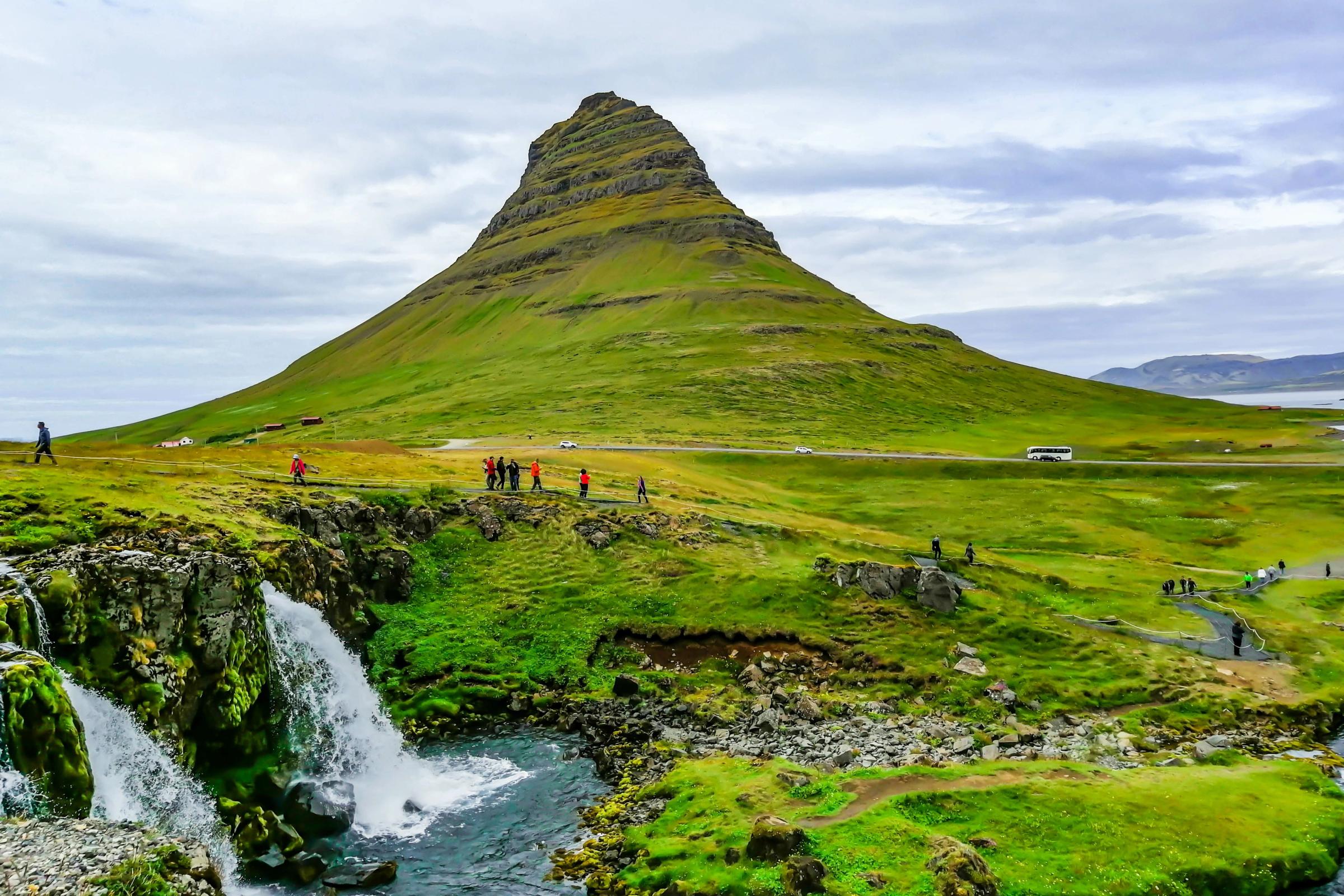
Kirkjufell Mountain Guide: Iceland's Most Iconic Peak
Kirkjufell Mountain & Kirkjufellsfoss Waterfall - Iceland Travel Guide
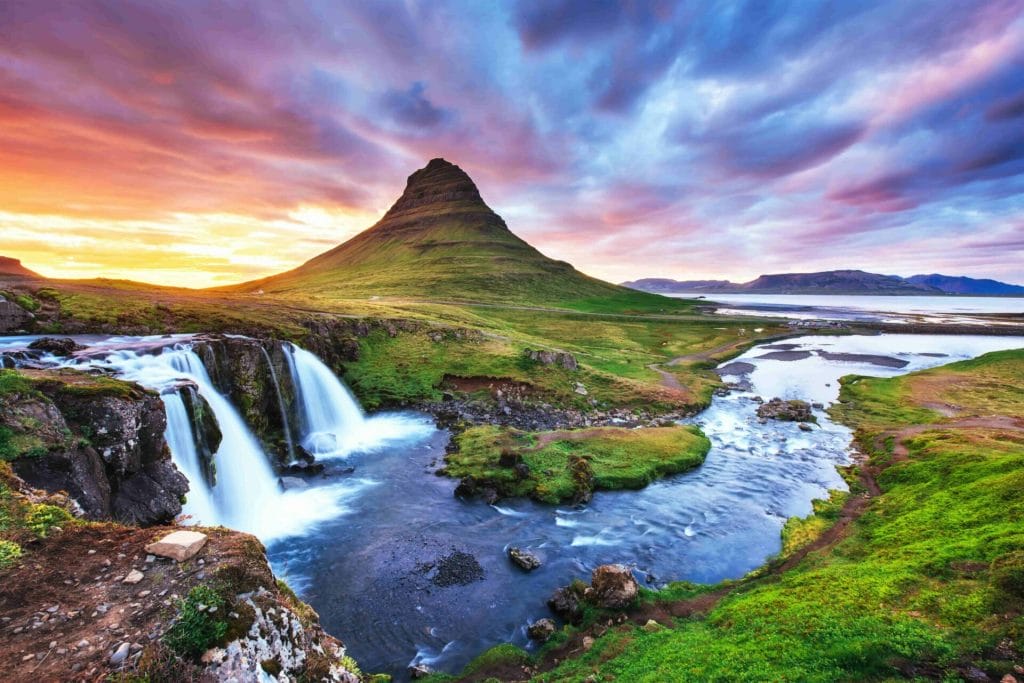
Kirkjufell Mountain & Kirkjufellsfoss Waterfall - Iceland Travel Guide
Summer Sunset Over The Famous Kirkjufellsfoss Waterfall With Kirkjufell

Summer sunset over the famous Kirkjufellsfoss Waterfall with Kirkjufell ...
Kirkjufell Mountain The Iconic Tourist Attraction In West Region Of
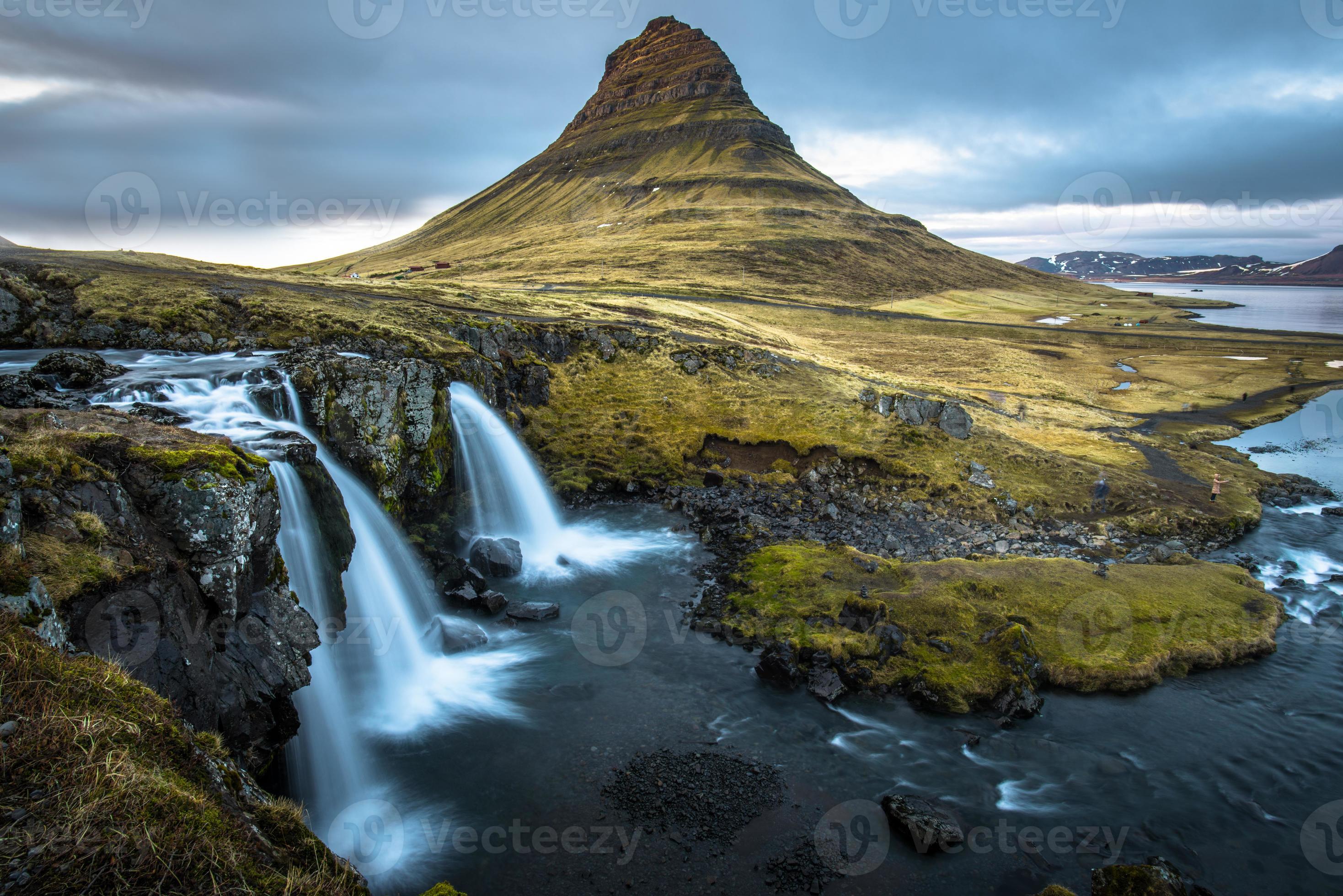
Kirkjufell mountain the iconic tourist attraction in west region of ...